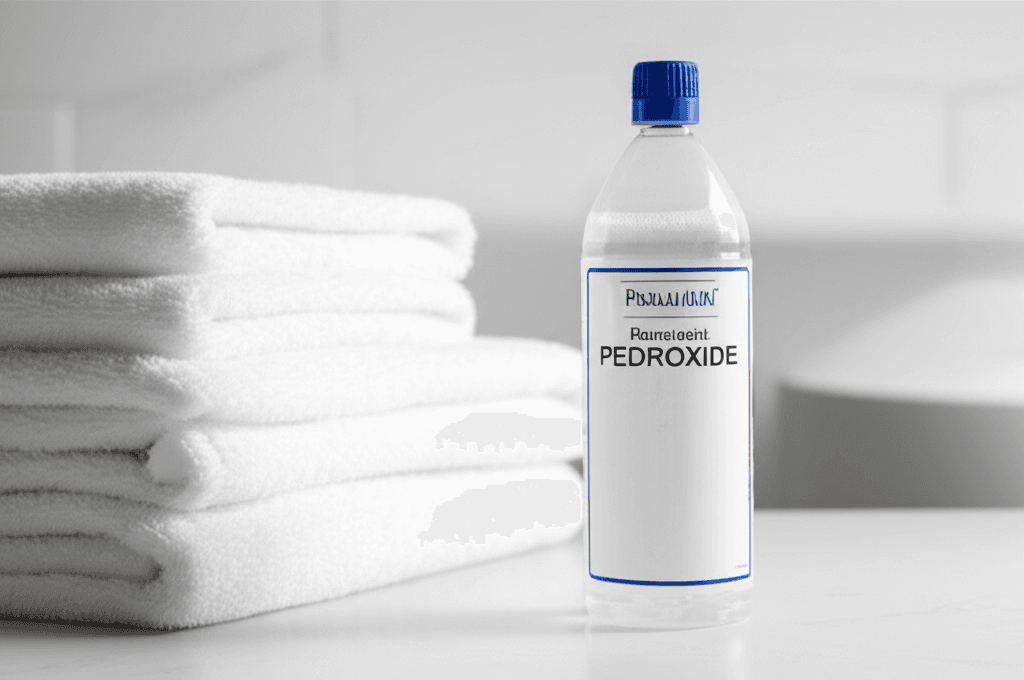
What You'll Need
Step-by-Step Instructions
Reset and prep your zone
Hydrogen peroxide cleaning works best when you apply it with a simple system instead of random scrubbing. Start by clearing the area fully so you can see edges, corners, seams, and hidden buildup that usually gets missed on a fast pass. Use a microfiber cloth first to remove loose dust and dry debris, then apply your solution in thin, even coverage so it stays controlled and does not drip onto nearby finishes. Let it dwell briefly so the formula can loosen residue, then work in small sections from top to bottom with steady pressure and overlapping strokes. A quick reset at the start protects your finish quality. Keep your cloth folded so you always have a clean side available, and rinse tools often so you do not re-spread grime. If you prep once, the rest of the routine becomes faster and far more consistent. Finish by buffing dry to reveal a streak-free surface and to prevent water marks that make spaces look dull in natural light. This process gives polished, repeatable results and saves time on your next cleaning cycle because less residue is left behind.
Apply product with control
Hydrogen peroxide cleaning works best when you apply it with a simple system instead of random scrubbing. Start by clearing the area fully so you can see edges, corners, seams, and hidden buildup that usually gets missed on a fast pass. Use a microfiber cloth first to remove loose dust and dry debris, then apply your solution in thin, even coverage so it stays controlled and does not drip onto nearby finishes. Let it dwell briefly so the formula can loosen residue, then work in small sections from top to bottom with steady pressure and overlapping strokes. Use moderate product amounts for a premium finish. Keep your cloth folded so you always have a clean side available, and rinse tools often so you do not re-spread grime. Controlled application gives better shine and avoids sticky residue on touch surfaces. Finish by buffing dry to reveal a streak-free surface and to prevent water marks that make spaces look dull in natural light. This process gives polished, repeatable results and saves time on your next cleaning cycle because less residue is left behind.
Use a dwell window
Hydrogen peroxide cleaning works best when you apply it with a simple system instead of random scrubbing. Start by clearing the area fully so you can see edges, corners, seams, and hidden buildup that usually gets missed on a fast pass. Use a microfiber cloth first to remove loose dust and dry debris, then apply your solution in thin, even coverage so it stays controlled and does not drip onto nearby finishes. Let it dwell briefly so the formula can loosen residue, then work in small sections from top to bottom with steady pressure and overlapping strokes. Dwell time reduces heavy scrubbing and protects delicate materials. Keep your cloth folded so you always have a clean side available, and rinse tools often so you do not re-spread grime. Two to five minutes usually makes a visible difference in effort and final clarity. Finish by buffing dry to reveal a streak-free surface and to prevent water marks that make spaces look dull in natural light. This process gives polished, repeatable results and saves time on your next cleaning cycle because less residue is left behind.
Detail seams and edges
Hydrogen peroxide cleaning works best when you apply it with a simple system instead of random scrubbing. Start by clearing the area fully so you can see edges, corners, seams, and hidden buildup that usually gets missed on a fast pass. Use a microfiber cloth first to remove loose dust and dry debris, then apply your solution in thin, even coverage so it stays controlled and does not drip onto nearby finishes. Let it dwell briefly so the formula can loosen residue, then work in small sections from top to bottom with steady pressure and overlapping strokes. Corners and seams hold hidden buildup that dulls the room. Keep your cloth folded so you always have a clean side available, and rinse tools often so you do not re-spread grime. A soft brush and short directional strokes make grout lines and trim look refreshed. Finish by buffing dry to reveal a streak-free surface and to prevent water marks that make spaces look dull in natural light. This process gives polished, repeatable results and saves time on your next cleaning cycle because less residue is left behind.
Rinse and neutral wipe
Hydrogen peroxide cleaning works best when you apply it with a simple system instead of random scrubbing. Start by clearing the area fully so you can see edges, corners, seams, and hidden buildup that usually gets missed on a fast pass. Use a microfiber cloth first to remove loose dust and dry debris, then apply your solution in thin, even coverage so it stays controlled and does not drip onto nearby finishes. Let it dwell briefly so the formula can loosen residue, then work in small sections from top to bottom with steady pressure and overlapping strokes. A clean-water wipe removes leftover film and keeps surfaces balanced. Keep your cloth folded so you always have a clean side available, and rinse tools often so you do not re-spread grime. This is where most professional-looking shine comes from. Finish by buffing dry to reveal a streak-free surface and to prevent water marks that make spaces look dull in natural light. This process gives polished, repeatable results and saves time on your next cleaning cycle because less residue is left behind.
Buff for final sheen
Hydrogen peroxide cleaning works best when you apply it with a simple system instead of random scrubbing. Start by clearing the area fully so you can see edges, corners, seams, and hidden buildup that usually gets missed on a fast pass. Use a microfiber cloth first to remove loose dust and dry debris, then apply your solution in thin, even coverage so it stays controlled and does not drip onto nearby finishes. Let it dwell briefly so the formula can loosen residue, then work in small sections from top to bottom with steady pressure and overlapping strokes. Buffing transforms a clean space into a finished space. Keep your cloth folded so you always have a clean side available, and rinse tools often so you do not re-spread grime. Use a dry microfiber to catch faint haze before it dries into streaks. Finish by buffing dry to reveal a streak-free surface and to prevent water marks that make spaces look dull in natural light. This process gives polished, repeatable results and saves time on your next cleaning cycle because less residue is left behind.
Treat high-touch points
Hydrogen peroxide cleaning works best when you apply it with a simple system instead of random scrubbing. Start by clearing the area fully so you can see edges, corners, seams, and hidden buildup that usually gets missed on a fast pass. Use a microfiber cloth first to remove loose dust and dry debris, then apply your solution in thin, even coverage so it stays controlled and does not drip onto nearby finishes. Let it dwell briefly so the formula can loosen residue, then work in small sections from top to bottom with steady pressure and overlapping strokes. Handles, switches, and pulls are visual anchors and hygiene priorities. Keep your cloth folded so you always have a clean side available, and rinse tools often so you do not re-spread grime. Polishing these details instantly makes the whole room feel intentional. Finish by buffing dry to reveal a streak-free surface and to prevent water marks that make spaces look dull in natural light. This process gives polished, repeatable results and saves time on your next cleaning cycle because less residue is left behind.
Target odor zones
Hydrogen peroxide cleaning works best when you apply it with a simple system instead of random scrubbing. Start by clearing the area fully so you can see edges, corners, seams, and hidden buildup that usually gets missed on a fast pass. Use a microfiber cloth first to remove loose dust and dry debris, then apply your solution in thin, even coverage so it stays controlled and does not drip onto nearby finishes. Let it dwell briefly so the formula can loosen residue, then work in small sections from top to bottom with steady pressure and overlapping strokes. Odor control is part of premium cleanliness. Keep your cloth folded so you always have a clean side available, and rinse tools often so you do not re-spread grime. Work drains, bins, and soft-texture zones so freshness lasts beyond day one. Finish by buffing dry to reveal a streak-free surface and to prevent water marks that make spaces look dull in natural light. This process gives polished, repeatable results and saves time on your next cleaning cycle because less residue is left behind.
Set a weekly rhythm
Hydrogen peroxide cleaning works best when you apply it with a simple system instead of random scrubbing. Start by clearing the area fully so you can see edges, corners, seams, and hidden buildup that usually gets missed on a fast pass. Use a microfiber cloth first to remove loose dust and dry debris, then apply your solution in thin, even coverage so it stays controlled and does not drip onto nearby finishes. Let it dwell briefly so the formula can loosen residue, then work in small sections from top to bottom with steady pressure and overlapping strokes. Consistency beats marathon cleaning sessions. Keep your cloth folded so you always have a clean side available, and rinse tools often so you do not re-spread grime. A repeat schedule keeps buildup light and helps each pass take less time. Finish by buffing dry to reveal a streak-free surface and to prevent water marks that make spaces look dull in natural light. This process gives polished, repeatable results and saves time on your next cleaning cycle because less residue is left behind.
Audit and upgrade tools
Hydrogen peroxide cleaning works best when you apply it with a simple system instead of random scrubbing. Start by clearing the area fully so you can see edges, corners, seams, and hidden buildup that usually gets missed on a fast pass. Use a microfiber cloth first to remove loose dust and dry debris, then apply your solution in thin, even coverage so it stays controlled and does not drip onto nearby finishes. Let it dwell briefly so the formula can loosen residue, then work in small sections from top to bottom with steady pressure and overlapping strokes. Tool quality affects results as much as product choice. Keep your cloth folded so you always have a clean side available, and rinse tools often so you do not re-spread grime. Retire worn cloths and sponges to maintain finish quality and sanitation. Finish by buffing dry to reveal a streak-free surface and to prevent water marks that make spaces look dull in natural light. This process gives polished, repeatable results and saves time on your next cleaning cycle because less residue is left behind.
Pro Tips
- ✓Keep peroxide in opaque containers to protect potency.
- ✓Work small areas to monitor fabric and finish reactions.
- ✓Rinse after treatment to prevent residue patterns.
Safety Notes
- ⚠Never mix bleach and ammonia. This can create dangerous chloramine gas.
- ⚠Never mix bleach and vinegar. This can create toxic chlorine gas.
- ⚠Open windows or run ventilation, wear gloves, patch-test surfaces, and keep products away from children and pets.